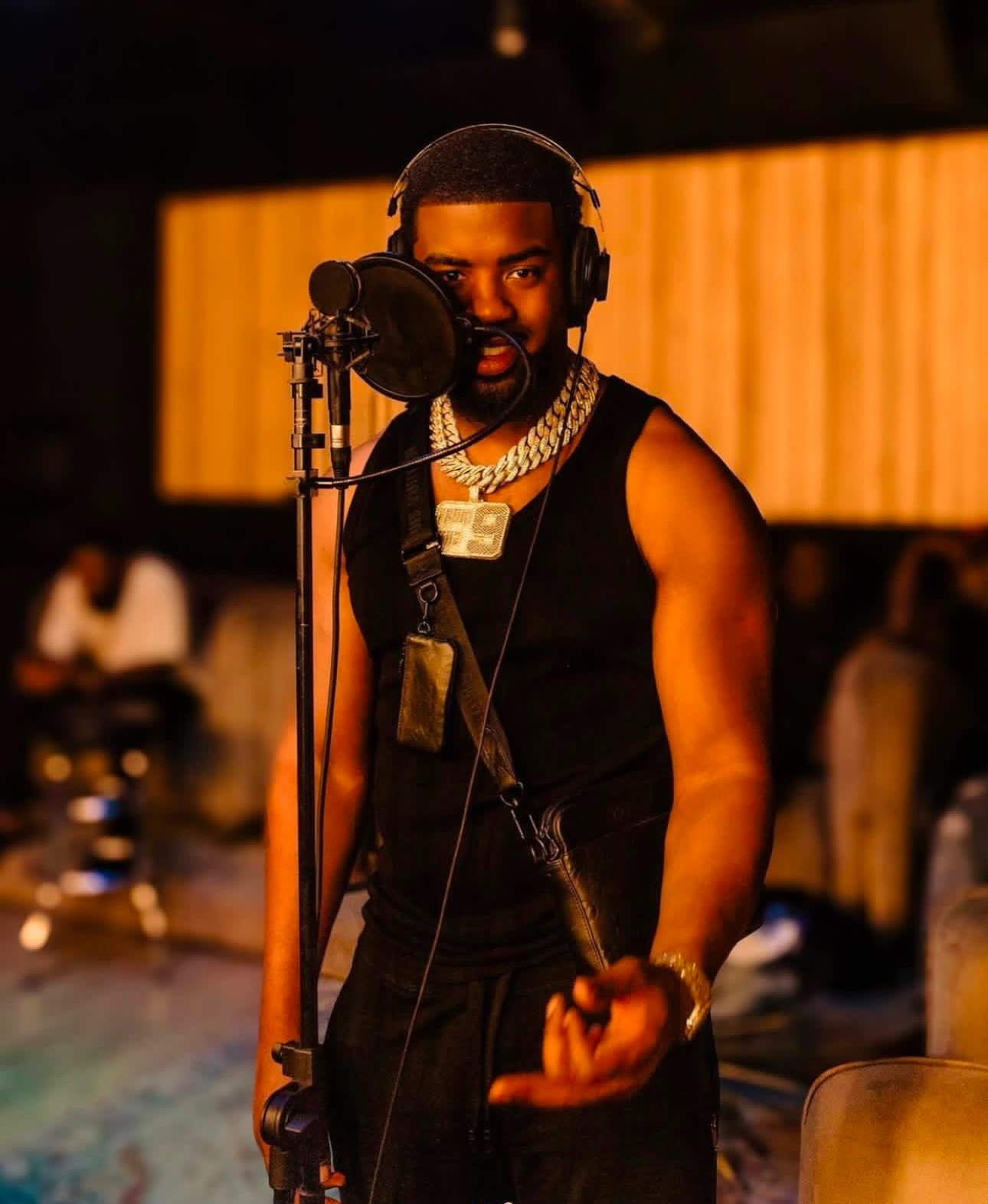
Tion Wayne x Seyi Vibez: The Session That Didn't Make Sense (Until It Did)
The inside story of how two generations of Afrobeats collided in a Lagos studio, and why the room mattered more than the guest list.
The generator didn't die.
That's the first thing Tion Wayne noticed when he walked into FreeMe Space. In five years of coming into Lagos to record, he'd lost count of how many sessions ended abruptly, the hum of the generator fading into silence, the engineer apologizing, the vibe dissipating like smoke. You can't chase a hook when you're chasing power.
This time, the light stayed on.
The Encounter
Seyi Vibez was already there when he arrived. Nobody had told Tion Seyi would be in. There was no A&R with a clipboard, no label person running logistics. Just the artist and the room and the kind of awkward silence that happens when two people who respect each other's work meet for the first time without a camera watching.
"You dey catch up?" Tion asked.
"We go figure am out," Seyi replied.
And they did.
The Room That Finally Works
FreeMe Space doesn't look like what you'd expect from Nigeria's most talked-about studio. No gold plaques on the walls. No velvet ropes. No Instagram-famous aesthetic designed for thumbnail photos.
What it has is harder to manufacture: reliability.
The Soundstage runs ₦1,000,000 per day. Dolby Atmos sessions are ₦70,000 per hour. These aren't budget numbers but they're not palace numbers either. What you're paying for is something most Lagos studios can't deliver: consistency. The equipment works. The power stays on. The room sounds the same at 2PM and 2AM.
"We've had sessions where artists literally can't finish because the generator gives out," says Yomi, who manages the facility. "That doesn't happen here. It's not sexy, but it's the difference between a record and a memory."
FreeMe Space facility revenue grew consistent year-on-year growth, a reflection of what the market does when you give Lagos creators infrastructure that actually works.
Six Hours
The track took six hours. Not because it was complicated, because it wasn't.
They scrapped three ideas in the first ninety minutes. The fourth one, nobody mentioned discarding. It started with a melody Seyi hummed into his phone two years ago. Tion heard it, nodded, and said the line that changes everything:
"That's the one."
By hour five, the engineer stepped back. He'd stopped taking notes. Sometimes when the room feels right, you just let it happen.
By hour six, they had a record. Not a demo. Not a "we'll fix it in mixing." A finished thing.
The Collision Nobody Planned
Tion Wayne and Seyi Vibez represent two different poles of the Afrobeats generation. Tion, the veteran, the man behind "Nobody Has to Know" and countless other anthems. Seyi, the rising force, the artist whose frequency is currently unmatched in capturing the streets.
Their meeting at FreeMe Space wasn't A&R magic. It happened because the space attracts these moments. When artists know they might run into other artists, they show up differently. The room becomes a collision point.
The collaboration dropped without a teaser. No countdown. No "link in bio" campaign. Just the song.
Within 48 hours, it had found its way onto playlists no one submitted to. The algorithm was listening.
---
Sometimes the best marketing is no marketing. Just a room that works, two artists who belong there, and a record that knows what it is.
FreeMe Space. Where the hits get made.