Recording Studio Lagos: The Complete Guide to Recording Studios in Lagos (2026)
Recording studio Lagos guide for artists, podcasters, agencies, and production teams choosing the right room, workflow, and facility in 2026.
# Recording Studio Lagos: The Complete Guide to Recording Studios in Lagos (2026)
If you're searching for a recording studio Lagos teams can trust, the first thing to understand is that the right room is only part of the decision. Lagos has plenty of places with microphones and a booth. Fewer studios give you the full chain: a controlled recording environment, engineers who understand commercial delivery, spaces that can handle video or podcast work, and a booking process that doesn't waste half your day before anyone presses record.
This guide is for artists, labels, podcasters, agencies, filmmakers, churches, corporate teams, and creative directors trying to choose a serious studio in Lagos. It explains what to look for, what questions to ask before booking, how to prepare for a session, and when you need more than a basic vocal booth.
FreeMe Space was built around a simple Lagos reality: most creative work now crosses formats. A song becomes a performance clip. A podcast becomes short-form video. A campaign shoot needs clean audio. A live conversation may need both post-production and a space that looks right on camera. That means choosing a studio is no longer just about sound. It's about the whole production day.
What makes a recording studio in Lagos worth booking?
A good studio helps you leave with usable work. That sounds obvious, but it's the main difference between a cheap room and a professional production environment.
Before you book, look at five things.
First, listen for acoustic control. A room can look beautiful and still sound wrong. Hard walls, untreated corners, noisy air conditioning, street spill, and poor isolation can ruin a vocal take before mixing even begins. A proper room should help the voice, instrument, or conversation sit cleanly in the recording.
Second, ask about the engineer. Gear matters, but the person running the session matters more. A good engineer keeps the room moving, fixes problems quickly, gives practical direction, and understands the difference between a rough idea and a final master-ready take.
Third, check whether the studio is built for your format. A singer recording vocals has different needs from a podcast host with three guests. A live band has different needs from an agency recording voiceover. A film team may need clean dialogue, quiet holding areas, lighting access, and space for camera movement.
Fourth, understand the support spaces. Lagos sessions can run hot, late, and crowded. A good facility gives your team somewhere to wait, reset, review takes, change outfits, prep talent, or hold a client without breaking the recording flow.
Fifth, confirm the output you need. Are you leaving with raw multitracks, a rough mix, edited audio, video files, stems, or a delivery-ready master? Clear expectations save arguments later.
Start with the project, not the price
Most bad studio decisions start with one question: how much per hour? That's the wrong starting point.
The better question is: what are we trying to finish?
If you're recording a single vocal demo, you may need a smaller room, a sharp engineer, and a tight two-hour plan. If you're recording a podcast season, you need consistency across episodes, good mic technique, a comfortable setup, and possibly video capture. If you're shooting performance content, you need a room that can handle sound and visuals at the same time.
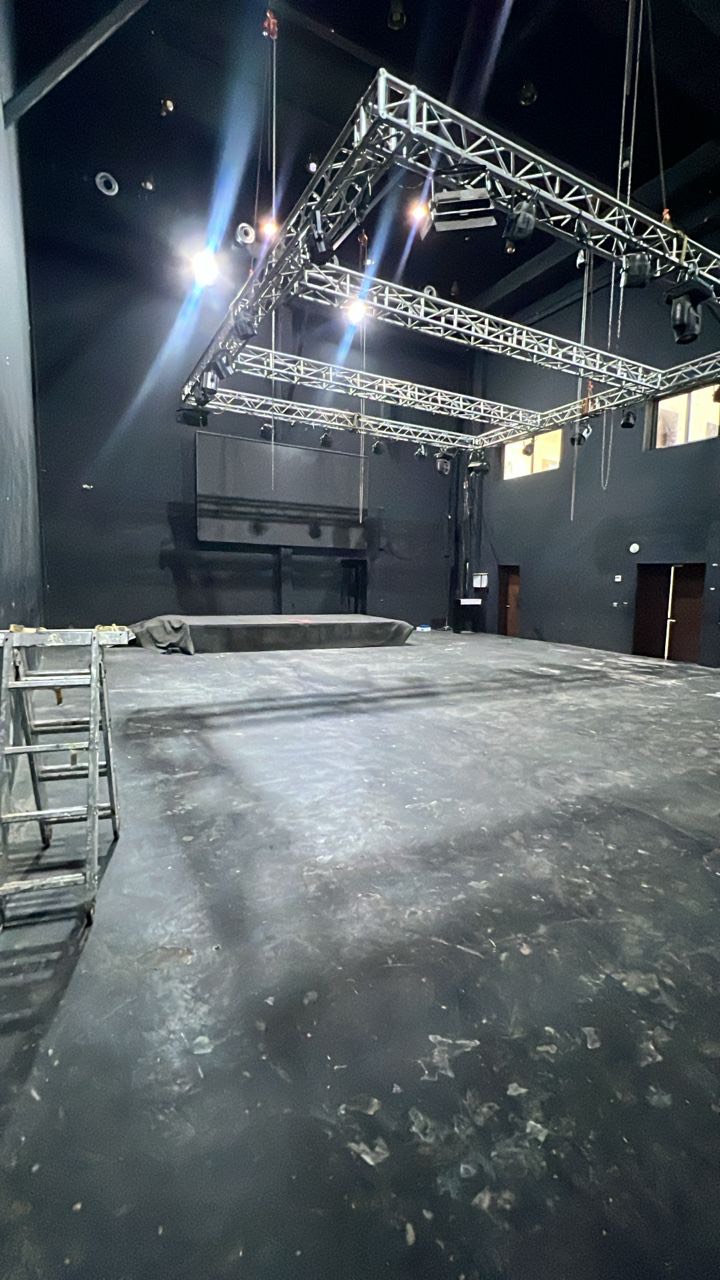
For music videos, branded sessions, live acoustic performances, or label content days, a larger production room such as the FreeMe Space soundstage may make more sense than a standard booth. You get space for camera teams, lighting, movement, and talent flow while still keeping the production under one roof.
For spoken-word work, interviews, branded shows, and creator-led series, the FreeMe Space podcast studio is often the cleaner starting point because the room is already shaped around conversation, camera-friendly seating, and repeatable recording days.
Price matters. Of course it does. But the cheapest room becomes expensive if you have to re-record, repair bad audio, hire another editor, or explain to a client why the work isn't usable.
Music recording: what artists and labels should check
For artists, the studio should help the performance come out quickly. Lagos music sessions often move between writing, recording, comping, rough mixing, content capture, and distribution planning. The room has to support that pace.
Ask these questions before booking:
- •Can the room handle the vocal style you're recording?
- •Is there enough isolation for clean takes?
- •Does the engineer understand the genre and reference sound?
- •Can you review takes quickly without killing momentum?
- •Are files organized properly after the session?
Afrobeats, gospel, drill, R&B, spoken-word, live percussion, and choir work do not behave the same in a room. A dry booth may work for one vocal and feel lifeless for another. A larger room may give a live performance the energy it needs, but only if the acoustics and engineering are handled properly.
Labels should also think beyond the recording itself. Do you need behind-the-scenes clips? A clean interview after the session? Cover-art photography? A listening session for stakeholders? If yes, book a facility that can support the whole day instead of splitting the team across three locations.
Podcast recording: Lagos creators need consistency
Podcasting is unforgiving because listeners notice bad audio fast. They may forgive a rough first episode, but if the sound keeps changing every week, people drop off.
A serious podcast studio in Lagos should give you consistent mic placement, controlled background noise, a comfortable table setup, enough inputs for guests, and a workflow for repeat sessions. The host should not spend the first thirty minutes figuring out cables every time.
Video matters too. Most Nigerian podcasts now live on YouTube, TikTok, Instagram, and audio platforms at the same time. That means the set, lighting, seating, and framing need to be part of the plan from the start. Audio-only thinking leaves too much value on the table.
If your show includes guests, choose a studio that makes guests feel settled. People speak better when the room is calm, the seating is comfortable, and the crew knows what it's doing. That shows up in the edit.
For teams planning a season, block-booking can help keep the sound and look consistent. It also reduces setup time, which means more of the session goes into actual conversation.
Voiceover, ads, and corporate recording
Corporate audio has different pressure. The deadline is usually tight, the approval chain may be longer, and the final file has to match a brand or campaign brief.
For voiceover, don't book only on room price. Ask whether the studio can support direction, quick playback, revisions, pronunciation checks, and clean delivery formats. A voiceover session can move very fast when the engineer and director are aligned. It can also drag for hours when nobody has prepared the script properly.
Bring a final script, pronunciation notes, brand names, timing requirements, and a reference if one exists. If the recording is for radio, digital ads, animation, explainer video, church announcements, training content, or a campaign launch, say that before the session. The engineer's choices may change depending on where the audio will live.
For agencies, client comfort matters. A client may want to sit in, approve takes, or listen remotely. The studio should be able to handle that without turning the session into chaos.
Film, TV, and performance content
Lagos film and video teams often need more than a booth. Dialogue, narration, ADR, live performance, acoustic sessions, interviews, and branded content all sit somewhere between audio production and visual production.
If the camera is part of the day, ask about power, space, loading access, lighting control, changing areas, holding space, and whether sound can remain clean while the video team works. Small rooms can become cramped quickly once you add cameras, tripods, lights, makeup, wardrobe, talent, and clients.
The event lounge can also support listening sessions, intimate launches, creator meetups, and post-recording review moments where the environment matters as much as the technical setup. Not every recording day ends when the last take is captured. Sometimes the next step is gathering people in a room and playing the work properly.
For immersive music, spatial mixes, and higher-end playback reviews, the Dolby Atmos suite gives teams a more specialized room for hearing detail and making decisions beyond a standard stereo check.
How to prepare before you arrive
A studio session is not where planning should begin. The best sessions feel relaxed because the planning already happened.
For artists, finish as much writing as possible before the session. Bring lyrics, references, tempo information, beat files, stems if needed, and notes on the sound you want. If you're still writing in the room, be honest about that and book enough time.
For podcasters, prepare episode notes, guest names, topic flow, sponsor reads, intro/outro lines, and any clips you want to reference. Share the format with the studio before you arrive. A two-person interview, a four-person debate, and a host-only monologue need different setups.
For voiceover clients, lock the script. Last-minute script rewrites are normal, but they cost time. Bring approval contacts into the process early so the person in the room isn't waiting for WhatsApp notes from six people.
For video teams, send a shot list. Confirm whether you need audio capture, playback, camera-friendly backgrounds, extra holding space, or multiple setups. If wardrobe and makeup are coming, say so.
Preparation doesn't make the session stiff. It gives the team room to be creative without losing the day to avoidable admin.
What to ask before booking a recording studio Lagos session
Use this checklist before you confirm any recording studio Lagos booking.
Ask what is included in the session. Engineer? Setup time? Basic edit? File export? Playback review? Some rooms quote only the room, then add everything else later.
Ask what files you will receive. Raw audio, edited WAVs, MP3 references, stems, multitracks, video files, or project files are not the same thing. Know what you're paying for.
Ask how many people can attend. Too many guests can slow the session and change the sound of the room. For client sessions, make sure the facility can hold everyone comfortably.
Ask about noise control. Lagos is busy. Traffic, construction, generators, people in corridors, and nearby events can all affect recording if the facility isn't prepared.
Ask about power and backup. Creative work should not collapse because of a power interruption.
Ask about parking, loading, arrival time, and overtime. These details matter on production days, especially when talent and clients are involved.
Ask whether the studio can support the next step. If you record a podcast, can you also capture video? If you record a song, can you shoot content? If you host a listening session, is there a suitable room nearby?
Common mistakes to avoid
The first mistake is booking too little time. Many people calculate only recording time and forget setup, warm-up, playback, revisions, and exports. A rushed final thirty minutes can damage work that started well.
The second mistake is bringing too many people. A crowded room can kill focus. Bring the people who need to be there. Let everyone else review files later.
The third mistake is failing to define the deliverable. A rough mix is not a final mix. A podcast recording is not the same as a fully edited episode. A performance capture is not automatically a polished music video.
The fourth mistake is ignoring the room's visual value. If the content will go online, the room is part of the story. Backgrounds, lighting, seating, and movement all matter.
The fifth mistake is choosing a studio with no plan for files. Lost files, unnamed takes, missing stems, and confusing folders can turn a good session into a problem after everyone leaves.
Why location matters in Lagos
Lagos traffic is a production variable. It affects call time, talent energy, client patience, overtime, and whether people arrive ready to work. A studio in a convenient area can save more than transport stress; it can protect the quality of the session.
Think about where your team is coming from, where the talent is staying, whether equipment needs to be loaded in, and how late the session may run. For bigger production days, location planning should happen before the booking is confirmed.
Also think about the surrounding environment. A studio inside a serious creative facility gives you options. You can move from recording to photography, from podcasting to interviews, from a live performance to a private playback, without resetting the whole team somewhere else.
When you need a full production facility
A basic studio is enough for some jobs. A full production facility is better when the work has moving parts.
You may need a broader facility if:
- •Your recording includes video capture.
- •You have multiple guests or talent changes.
- •You need a green room or holding area.
- •The client wants to attend and review on-site.
- •The project includes photography, performance, or launch content.
- •You want consistent audio and visuals across several sessions.
This is where FreeMe Space is useful. The recording room is not treated as an isolated box. It sits inside a wider creative environment built for Lagos production days: music, podcasts, content shoots, listening sessions, brand work, and creator-led formats.
How FreeMe Space fits different projects
For artists, FreeMe Space can support writing sessions, vocal recording, live performance content, playback, and post-session visual assets. The goal is to help the day produce more than one file where the project calls for it.
For podcasters, the podcast studio gives a repeatable room for conversation-led shows, guest interviews, video podcasts, and creator series. Good podcasts need rhythm. The space should help you find that rhythm quickly.
For agencies and brands, the facility gives room for voiceover, interviews, campaign content, product conversations, and stakeholder review. The team doesn't have to improvise every setup from scratch.
For filmmakers and production companies, the soundstage and supporting spaces make it easier to handle performance, interviews, behind-the-scenes material, and controlled shoot days.
For audio teams working on more advanced playback or spatial formats, the Dolby Atmos suite supports detailed listening and a different level of mix review.
The real test: can the studio protect the idea?
Every recording starts fragile. A song idea can disappear if the room feels wrong. A guest can shut down if the setup is tense. A client can lose confidence if the team seems unprepared. A good studio protects the idea long enough for it to become usable work.
That protection comes from boring things done well: clean rooms, working equipment, clear booking, calm engineering, good file handling, sensible scheduling, and people who understand production pressure in Lagos.
When those things are in place, creativity has space to move. When they're missing, even talented people spend the day fighting the room.
Book a recording studio Lagos session at FreeMe Space
If you need a recording studio Lagos creators, labels, podcasters, agencies, and production teams can use for serious work, FreeMe Space can help you plan the right setup. Book a session, contact the team for current rates, or schedule a tour so you can see the rooms before your production day.
Start with the facility that fits your project: the soundstage, podcast studio, Dolby Atmos suite, or event lounge. Tell us what you're trying to finish, who is coming, and what files you need when you leave. We'll help you build the session around the work, not guess on the day.