Podcast Studio Lagos: What Creators Need Before Recording Day
Podcast studio Lagos preparation guide from FreeMe Space, covering guest briefs, room planning, clips, post-production, and booking the right setup.
# Podcast Studio Lagos: What Creators Need Before Recording Day
Podcast studio Lagos searches usually start when the idea is already real. The guest has agreed. The topic is sharp. Someone has promised the episode will go out next week. Then the practical questions begin: where do we record, how long do we need, what should we bring, and how do we avoid spending the first hour fixing problems that could have been handled before arrival?
That is the part of production people rarely post about. A smooth recording day is not only about microphones and cameras. It is about preparation. The best sessions feel calm because the messy decisions were made before anyone walked into the room.
At FreeMe Space, we see this most clearly with podcast teams. Some arrive with a tight plan and move straight into recording. Others arrive with good energy but no running order, no guest brief, no backup questions, and no clear idea of how the episode should end. Both groups may have strong ideas. Only one group leaves with cleaner material.
This guide is a behind-the-scenes look at what creators should prepare before booking a podcast studio in Lagos, especially if they want the day to feel professional from the first take.
Start with the episode outcome, not the equipment list
A common mistake is to begin with gear. People ask for the best microphones, the camera setup, the lighting style, or whether the space can support video. Those things matter, but they are not the starting point.
The better first question is simple: what should this episode do?
For one creator, the goal may be a clean founder interview that builds trust. For another, it may be a lively roundtable with clips that can travel on social media. A brand may need a polished internal conversation. A music team may want a relaxed discussion around a new release. A church, school, or community group may need a serious conversation that still feels warm.
Each outcome changes the session.
A founder interview may need controlled pacing and fewer interruptions. A roundtable needs a seating plan that helps people talk naturally. A social-first episode needs strong opening lines, short segments, and moments that can become standalone clips. A long-form conversation needs comfort, water breaks, and enough time for guests to settle before the strongest answers come out.
Before recording day, write the outcome in one sentence. Not a slogan. A practical line like: "This episode should introduce our new series and give listeners three reasons to trust the host." That one sentence will guide the studio setup, the questions, the tone, and the edit.
Choose the right room for the type of conversation
Not every recording needs the same room. A solo voiceover, a two-person interview, a video podcast, and a panel conversation all have different needs.
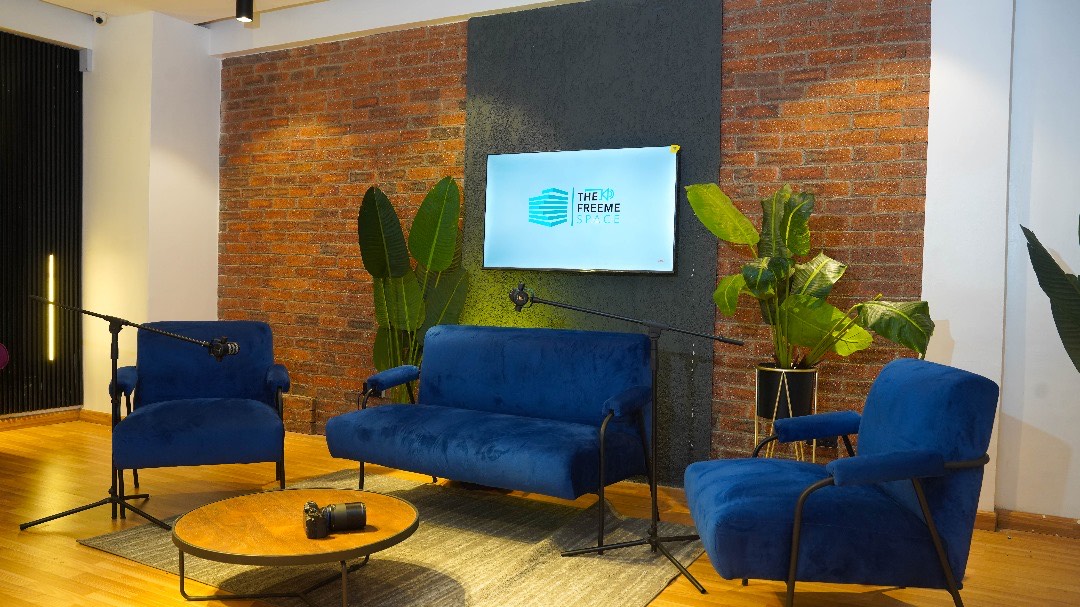
Our podcast studio is built for creators who want a controlled environment without turning the day into a technical headache. It works well for interviews, branded shows, YouTube conversations, and audio-first podcasts that still need clean visuals for promotion.
If the project is connected to a larger content day, the recording may also sit alongside other spaces. A team might record the main conversation in the podcast room, capture performance or campaign visuals on the soundstage, then use the lounge area for guest waiting, resets, or informal behind-the-scenes clips. That type of planning matters because it saves time. You are not moving people around at random. Every room has a job.
For sound-led projects, some creators also ask about the Dolby Atmos suite for finishing, listening sessions, or spatial audio work. Not every podcast needs that level of post-production, but teams working on audio branding, music-led episodes, or premium listening experiences should think about the full chain early. Recording is one part of the job. Finishing is another.
Send guests a real brief before they arrive
A guest who arrives prepared gives better answers. That does not mean giving them a script. In fact, over-scripting often makes a conversation stiff. The goal is to remove anxiety without killing spontaneity.
A useful guest brief should include five things:
- •The episode topic in plain language
- •The approximate recording time
- •The tone of the show
- •Any topics to avoid
- •A few sample questions so the guest understands the direction
This is especially important in Lagos, where guests may be coming from another shoot, a meeting, traffic, or a long day of work. If they only find out the structure when they sit down, the first answers can be guarded or scattered. If they understand the flow before arrival, they relax faster.
A good brief also protects the host. It reduces awkward corrections on camera. It lowers the chance of someone mentioning sensitive information that should not be public. It helps the producer spot problems before the microphones are live.
The best guests still sound natural. They just are not guessing what room they have walked into.
Build a running order, even for casual shows
Casual does not mean unplanned. Some of the best podcast moments sound loose because the team had a structure strong enough to disappear.
A running order does not need to be complicated. For many episodes, this is enough:
1. Warm welcome and quick context
2. Guest introduction
3. Main story or topic setup
4. Three core discussion blocks
5. Fast follow-up questions
6. Closing thought
7. Call to action or next episode tease
The point is not to control every sentence. The point is to know where the conversation is heading. Without a running order, hosts often spend too long warming up, rush the strongest section, then end suddenly because time is gone.
If the episode is for a brand or campaign, the running order matters even more. You may need a product mention, a sponsor line, a website callout, or a specific message from the team. Put those into the structure before the session. Do not rely on memory when people are tired and the clock is moving.
Plan for clips before recording starts
Most podcast teams now need more than a full episode. They need short clips, quote cards, vertical cuts, thumbnails, behind-the-scenes photos, and captions. If you wait until after recording to find those moments, you make the editor work harder.
Plan clip moments before the session.
That can be as simple as asking the host to mark strong answers during recording or building one section around quick, direct questions. For example:
- •"What is the biggest mistake people make before booking studio time?"
- •"What did you learn the hard way?"
- •"What should people stop pretending about this industry?"
- •"What is one thing you wish someone told you earlier?"
Questions like these create clean social moments. They also help the guest speak with more focus.
If the podcast is being filmed, think about the opening shot too. The first few seconds of a clip often decide whether people keep watching. Clean framing, good posture, a direct first sentence, and a clear topic can do more than a complicated edit.
Bring the small things that keep the day moving
A professional recording day can be slowed down by small missing items. Chargers. Correct login details. Final scripts. Guest names. Brand spellings. Water. Wardrobe options. Makeup basics. Release forms. A hard drive. A backup phone.
None of these sound dramatic. That is exactly why they get forgotten.
Before coming to the studio, assign one person as the session owner. That person should hold the final checklist and make decisions quickly. If everyone is responsible, no one is responsible. The host should not be chasing Wi-Fi passwords, confirming guest names, and fixing the intro while also trying to stay mentally ready for the conversation.
For branded podcasts, bring approved wording for any required lines. For shows with multiple guests, bring a simple seating plan. For video podcasts, bring at least one backup outfit option if the visual tone matters. For audio-only shows, still think about comfort. A guest who is too hot, distracted, or rushed will not give their best answers.
Arrive early enough to become normal in the room
The first ten minutes in a studio are rarely the best ten minutes of conversation. People are adjusting to the lights, the microphones, the camera, and the fact that their words are being captured.
Arrive early. Let the guest sit down. Let them hear their own voice in the headphones if needed. Give the host time to test the opening. Use that time to catch simple issues: jewellery noise, phone vibrations, chair creaks, loud fabric, unclear pronunciation, or a guest who needs the question repeated in a different way.
This is one reason we encourage teams not to book the exact minimum time if the episode matters. A little breathing room can change the quality of the material. It also reduces the pressure that makes hosts rush.
Lagos production days already come with enough variables. Traffic, timing, last-minute changes, and guest energy all affect the session. The room itself should feel like the calmest part of the day.
Know what happens after the recording
Recording day is not the end of the project. It is the handoff point.
Before the session, decide who is responsible for post-production, approvals, publishing, and promotion. Decide how files will be named. Decide whether the episode needs transcripts, captions, thumbnails, audio cleanup, colour correction, or social cutdowns. Decide who has final sign-off.
If those decisions are left until after the session, delays start. The content sits. Guests ask when it is going live. The team loses momentum.
A simple post-session plan might include:
- •Same-day file backup
- •First edit review window
- •Clip selection
- •Caption writing
- •Thumbnail approval
- •Publishing date
- •Promotion checklist
You do not need a giant production bible. You need enough clarity that the episode does not disappear into a folder after everyone leaves the studio.
What smooth podcast sessions usually have in common
The best podcast recording days at FreeMe Space are not always the biggest productions. They are the ones where the team arrives with a clear purpose, a prepared guest, and a realistic plan for what the content needs to become.
They know the episode outcome. They have a running order. They understand which parts may become clips. They arrive early. They know who is making decisions. They leave with files, not confusion.
That is the difference between renting a room and running a production.
A good podcast studio in Lagos should give creators more than a place to sit. It should help them protect the quality of the conversation. It should reduce friction. It should make the technical side feel handled so the host and guest can focus on the story.
If you are planning a podcast, branded interview, YouTube conversation, or audio-led content day in Lagos, FreeMe Space can help you prepare the room, the flow, and the production plan before the microphones go live.
Book the podcast studio, ask about adding the Dolby Atmos suite for premium audio work, or schedule a tour of FreeMe Space so your next recording day starts with a plan instead of a scramble.