Film Studio Lagos: A Complete Guide to Film & TV Production Studios
Film studio Lagos guide for brands, filmmakers, artists, and TV teams choosing controlled production space in Lekki.
# Film Studio Lagos: A Complete Guide to Film & TV Production Studios
If you're searching for a film studio Lagos production teams can actually work inside, the question is not just "Where can we shoot?" The better question is: what kind of room will protect your schedule, your sound, your lighting plan, your crew flow, and your final edit? Lagos has no shortage of creative energy. What it often lacks is controlled production space. That difference matters when you're shooting a commercial, music video, interview series, brand film, TV pilot, product launch, live session, or social campaign that needs to look deliberate rather than improvised.
A good film and TV production studio gives you control. Control over light. Control over sound. Control over movement. Control over who enters the room and when. Once those basics are in place, the creative team can stop fighting the environment and start making the work.
This guide breaks down what to look for in a Lagos film studio, how to match the space to your production, what questions to ask before booking, and how FreeMe Space supports different production formats from one location in Lekki.
What a film studio in Lagos should actually solve
A studio is not just an empty hall with electricity. For serious production, the room needs to solve three problems: predictability, flexibility, and finish.
Predictability means the team can arrive and know the basics will hold. The shoot should not depend on whether a nearby generator is too loud, whether outdoor noise ruins an interview, or whether natural light changes halfway through a scene. Lagos rewards people who plan for disruption before it happens. A controlled studio gives you that head start.
Flexibility means the space can change with the shoot. One brand film might need a clean white interview setup in the morning, a product table after lunch, and a small performance setup before wrap. A good studio should allow different looks without forcing the production to move across town.
Finish is the part clients notice. It is the polish in the frame, the clean audio under the dialogue, the way the light falls on skin, the space behind the subject, and the absence of visual clutter. The audience may not know why a production feels expensive, but they feel it.
Start with the format, not the room
Before you compare studios, define the format of the project. A film studio Lagos search can mean several things.
You may need a controlled room for a talking-head interview. You may need enough height and depth for a set build. You may need a stage that can handle dancers, extras, lighting stands, props, and video village. You may need a studio that works for both production and post-production, especially if sound matters.
For interviews and branded content, the priorities are quiet, clean sightlines, lighting control, and comfort for talent. For music videos, you may care more about space, rigging options, green room access, playback, and speed of set changes. For product shoots, you need stable lighting, surfaces, power, and room for a small crew to work without stepping into frame. For TV-style content, you need repeatability. The set may come back every week, so the room has to support consistency.
That is why the first question should not be, "How big is the space?" Ask, "What are we trying to capture, and what can go wrong if the room is wrong?"
The core features to check before booking
A proper production studio should make your shoot easier before the camera turns on. Walk through these checks before you commit.
1. Sound control
Sound is the silent killer of many Lagos shoots. Air conditioners, traffic, nearby construction, generators, hallway noise, and crew movement can all ruin a take. Even when the visuals are beautiful, poor sound makes the production feel cheap.
If dialogue, interviews, narration, podcast video, live performance, or scripted scenes are part of your shoot, ask about acoustic treatment and the quietest time to record. If you need high-quality audio capture or mixing support, consider whether the same facility can connect you to sound-focused rooms such as the Dolby Atmos suite. That saves time and keeps the creative direction consistent.
2. Lighting control
Natural light can be useful, but it should not control your schedule. A studio with proper light control lets the team build the scene intentionally. That matters for continuity. If you start a scene at 10 a.m. and finish at 3 p.m., the audience should not see the sun changing between cuts unless that is part of the story.
Ask whether the space can be blacked out, how much power is available for lights, and whether there is room for stands, modifiers, backdrops, and camera movement.
3. Space and ceiling height
Small rooms can work for close interviews. They struggle when you need wide shots, movement, choreography, product tables, set pieces, or multiple cameras. Ceiling height matters too. Low ceilings limit lighting angles and make the frame feel tight.
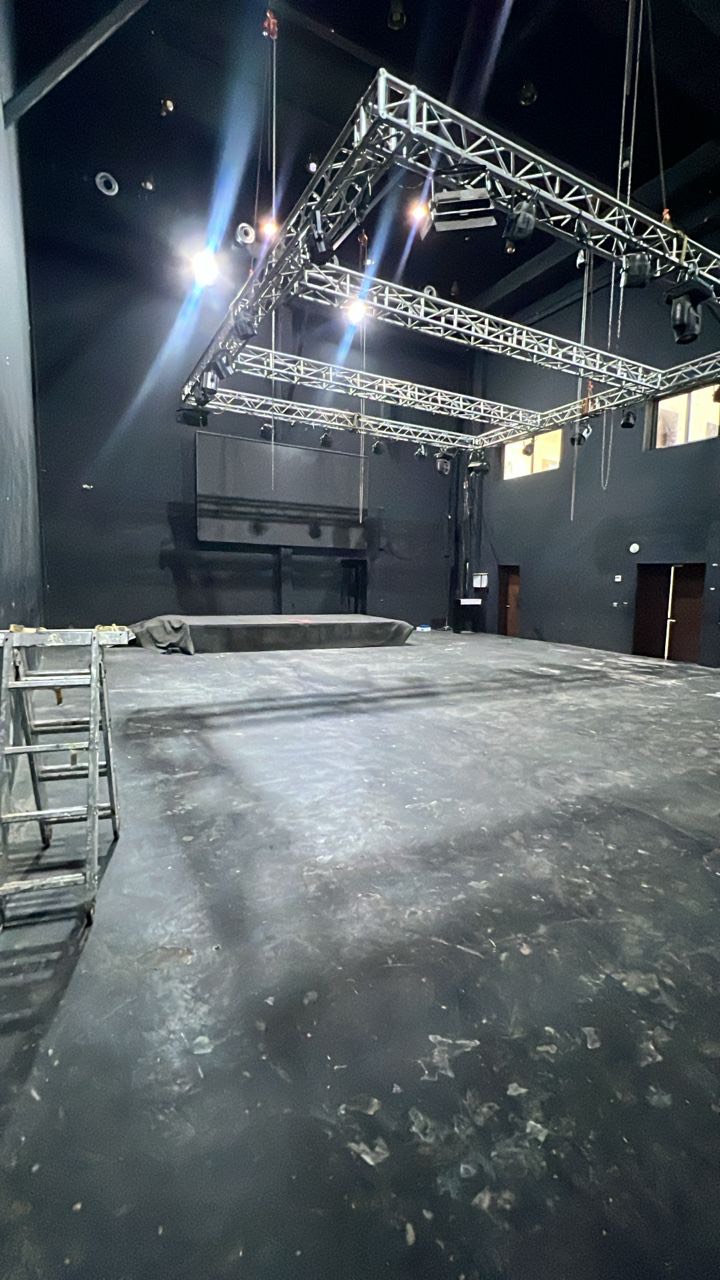
For larger productions, a dedicated soundstage gives you room to build. The value is not only size. It is the freedom to design the frame instead of hiding the room.
4. Crew flow
A shoot is a moving machine. Talent needs somewhere to prepare. Wardrobe needs a corner that is not also storage. The director needs line of sight. The camera team needs safe movement. Clients often need a place to watch without interrupting.
Before booking, ask where people will sit, where equipment will land, where makeup happens, where props go, and how quickly the team can reset the room. A studio that looks good in photos may still slow you down if there is no crew flow.
5. Production support
Some teams only need four walls and power. Others need help thinking through the room, sound, schedule, and crew requirements. If your production is high-pressure or client-facing, choose a space where the team understands how shoots actually work.
That does not mean the studio must run your production. It means the facility should know how to support one.
Why location in Lagos matters more than people admit
Lagos traffic is not a small detail. It affects call times, crew energy, talent arrival, equipment movement, and overtime risk. A studio can be technically good and still become a bad choice if it adds too much friction to the day.
Lekki works well for many creative teams because it sits close to agencies, artists, production crews, brand teams, and media businesses. It is also familiar territory for many clients. That matters when you are asking executives, talent, influencers, or guests to show up camera-ready.
A convenient location does not replace good production planning, but it reduces one of the biggest variables in the day. When the room is accessible and the facility is built for creative work, the team starts calmer.
Film, TV, and branded content: different needs, same discipline
A commercial shoot and a TV interview may look different, but both depend on discipline. The team needs a clean brief, a clear shot list, and a space that can support the plan.
For commercials, the frame often carries the brand. Backgrounds, props, colour, product placement, wardrobe, and lighting all need control. A flexible studio gives the art team a blank canvas without forcing the crew to fight random walls, windows, and noise.
For TV and interview content, repetition matters. If you are recording a season, a weekly show, a corporate series, or a run of founder interviews, consistency becomes part of the brand. Viewers should recognize the show. The host should feel settled. The technical team should not rebuild the whole workflow every time.
For music-led content, the energy is different. Playback, movement, performance space, lighting changes, and talent comfort become more important. A production may need the soundstage for the visual capture, a green room for preparation, and a sound-focused room for final listening or audio review.
This is where a multi-room creative facility helps. It lets a team move between production needs without turning the day into a logistics puzzle.
When you need more than the main studio
A main production room is only one part of a good shoot day. Depending on the project, you may also need rooms for audio, interviews, holding, client review, creator content, or a small launch moment.
If your project includes dialogue, voiceover, immersive playback, mix review, or music-led content, the Dolby Atmos suite can support the audio side of the workflow. If your shoot includes a filmed podcast, expert interview, founder series, or video-first talk format, a dedicated podcast studio may be the better primary room than a large stage.
For screenings, small launches, creator meetups, listening sessions, or brand community moments around the production, the event lounge can help turn a shoot into a full content day. That is useful when the camera is only one part of the plan.
The point is simple: choose the room based on the job. Bigger is not always better. Better is better.
Questions to ask before you book a film studio in Lagos
Before you lock a date, send a clear production note. You do not need a perfect treatment, but the studio should understand the shape of the work.
Ask these questions:
- •What is the main format: interview, scripted scene, commercial, music video, live session, product shoot, or TV-style content?
- •How many people will be on site, including crew, talent, client, glam, and guests?
- •Will you record live sound, or is the project playback-only?
- •Do you need a clean backdrop, set build, green screen, props, or existing furniture?
- •How many cameras will you use?
- •Will the lighting plan need blackout control or extra power?
- •Do you need holding space, makeup, wardrobe, client review, or a green room?
- •Are there any sensitive timing issues, such as talent windows or same-day edits?
- •What deliverables are expected: social cuts, TVC, YouTube episode, internal film, trailer, or stills?
Good answers help the facility recommend the right room and reduce surprises on the day.
How to plan the shoot day
A strong studio booking still needs a strong schedule. Start with the immovable parts: talent availability, client arrival, setup time, makeup, lighting, rehearsal, camera tests, and wrap. Then build buffers around them.
Do not schedule the first take five minutes after call time. Lagos productions need breathing room. Equipment needs to come in. People need to settle. The director and DP need time to look at the room in real life, even if they scouted earlier.
If you are shooting interviews, group similar setups together. If you are filming product content, shoot all angles that use the same lighting before changing the scene. If you are shooting a performance, give the talent enough time to warm up before the best takes are expected.
A studio gives you control, but control only helps if the schedule uses it properly.
What separates a professional studio from a pretty space
A pretty room can look good on Instagram and still fail under production pressure. A professional studio is judged by what happens after the crew arrives.
Can equipment load in without chaos? Can the team control sound? Can the lighting plan work? Can talent prepare privately? Can the client observe without stopping the director every two minutes? Can the room reset quickly? Can the facility team answer practical questions without guessing?
These things rarely appear in a listing photo, but they decide whether the day feels smooth or stressful.
For serious work, choose the space that protects the production. The best studio is the one that helps the director, producer, DP, sound team, talent, and client all do their jobs without fighting the building.
Where FreeMe Space fits
FreeMe Space was built for creative teams that need a controlled production base in Lekki. The facility supports shoots that range from interviews and creator content to music-led visuals, brand films, podcast video, live sessions, launch content, and production days that need more than one room.
The soundstage is the anchor for larger visual work. It gives productions the room to build, light, move, and reset. The podcast studio supports talk formats and video-first conversations. The Dolby Atmos suite supports sound-led review and audio work. The event lounge gives teams an option for small audience moments, launches, screenings, and client-facing sessions.
That combination matters because many modern productions are not just one shoot. A brand may need a hero film, short social clips, stills, a founder interview, behind-the-scenes footage, and a small launch event from the same campaign. Moving all of that across different locations creates risk. Keeping it under one roof keeps the team focused.
Choosing the right room for your production
If you need a clean interview setup, start with the quietest room that supports your camera and lighting plan. If you need movement, set design, dance, product staging, or multiple looks, start with the soundstage. If audio is central to the work, bring the sound requirements into the booking conversation early. If guests, creators, or community are part of the day, ask about event support before you lock the schedule.
The wrong room can force compromises that appear later in the edit. The right room makes the production feel calmer from the first setup.
A film studio Lagos booking should not be a gamble. It should be a production decision. Treat it like one.
Ready to book a film studio in Lagos?
If you're planning a commercial, interview series, TV-style shoot, music video, podcast video, live session, or brand content day, FreeMe Space can help you choose the right room and plan the production flow.
Book a session, contact the team for current rates, or schedule a tour of the facility in Lekki. Start with the brief, tell us what you need to capture, and we'll help you match the project to the right space.