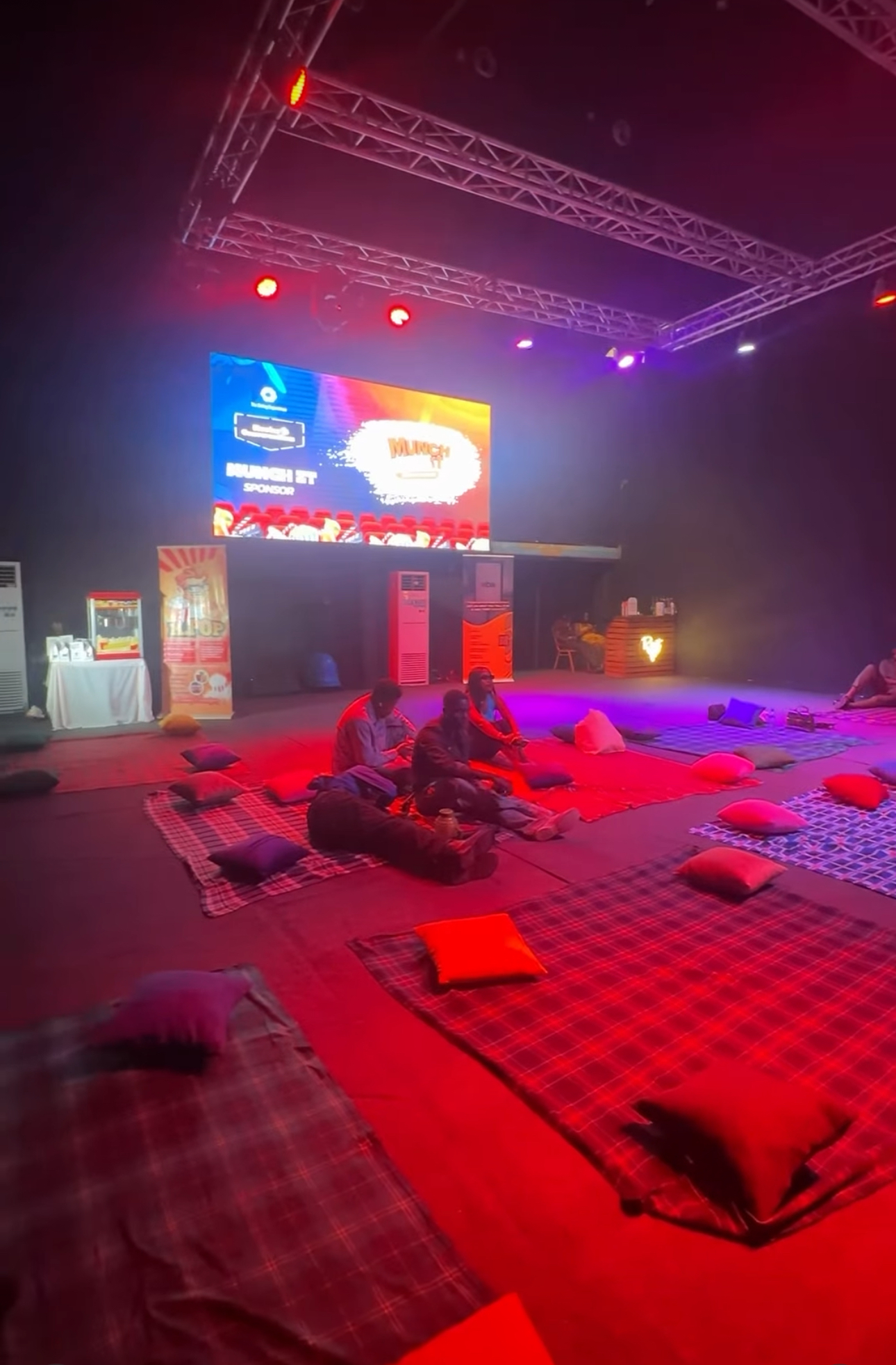
Event Venue Lagos: How FreeMe Space Handles Live Production Days
Event venue Lagos teams can trust for live production days: how FreeMe Space supports events, filming, audio, guest flow, and content capture.
# Event Venue Lagos: How FreeMe Space Handles Live Production Days
If you search for an event venue Lagos teams can trust on a live production day, you are usually looking for more than a beautiful room. You need a place where the lights come on when they should, the audio is clear, the crew can load in without drama, and guests do not feel like they walked into a temporary setup held together by luck.
That is the difference between hiring a hall and booking a production-ready venue.
This Friday recap is not built around a named client or a private brief. It is a behind-the-scenes look at how a typical live production day runs at FreeMe Space, based on the work the facility is built to handle: brand activations, listening sessions, filmed performances, launches, panels, creator events, and hybrid content days.
The common thread is simple. A good event needs to work twice. It has to work for the people in the room, and it has to work for the camera.
The real test starts before guests arrive
Most guests judge an event from the moment they step into the room. Production teams judge it much earlier.
They judge it at load-in.
Can the truck get close enough to unload? Is there a sensible path for equipment? Can stands, lights, cases, instruments, product displays, and backdrop pieces move through the building without blocking the front entrance? Is there space for crew to stage gear before final placement?
Those early details decide the temperature of the whole day. If load-in is chaotic, every department starts late. Lighting loses time. Soundcheck gets squeezed. The talent waits longer. The host gets nervous. By the time guests arrive, the room might still look calm, but the team behind it is already fighting the clock.
FreeMe Space was built as a creative facility first, so the practical side matters. The soundstage is not a decorative hall pretending to be a production room. It is designed for crews that need height, movement, lighting flexibility, technical access, and enough room to change the layout without redesigning the whole event.
That matters for live production days because the venue cannot only be pretty. It has to be workable.
The room has to carry the concept
A good event venue in Lagos has to do more than hold people. It has to carry the idea.
For a product launch, the room has to make the product feel bigger than a table display. For a music showcase, it has to make the performance feel intentional, not improvised. For a panel or creator event, it has to frame the speakers clearly enough for the live audience and the edit that comes later.
This is where a production-ready room earns its value. A blank hall gives you space. A proper creative venue gives you control.
On the FreeMe Space soundstage, teams can build around LED walls, lighting positions, camera lines, and stage placement. That means the room can shift from a performance setup to a launch setup to a filmed interview environment without losing the premium feel. The same space can hold a guest-facing moment and still leave enough structure for the video team to capture clean material.
That is the main reason brands and creative teams care about spaces like this. The event is no longer just the event. It is the source material for recap videos, social clips, press photos, internal content, artist reels, sponsor edits, and post-event storytelling.
If the room looks weak on camera, the event loses value after the last guest leaves.
Audio is not a small detail
Anyone who has attended enough Lagos events knows this problem. The room looks good. The lights are fine. The branding is strong. Then someone picks up the microphone and the sound falls apart.
Bad audio changes the way people experience a room. Guests stop paying attention. Speakers talk over feedback. Performers struggle. Video editors later receive footage that looks usable but sounds thin, harsh, or messy.
For live production days, audio has to be treated as part of the event design from the beginning.
FreeMe Space has an advantage here because the building is not only an event space. It is a production facility with audio rooms, recording infrastructure, and people used to thinking about sound as a final product. The Dolby Atmos suite is part of that bigger setup. Not every event needs immersive audio or post-production, but the mindset matters: sound is not an afterthought.
For panels, listening sessions, showcases, and filmed conversations, this changes the day. The goal is not simply to make the room loud. The goal is to make the message clear, the performance usable, and the recording worth keeping.
That is what separates a content-first venue from a hall with speakers.
The best events leave with assets
A live event used to be measured mostly by attendance. Did people come? Did the room feel full? Did the guest list look right?
Those things still matter, but they are not enough anymore. Creative teams now plan events around the assets that come out of them.
A strong live production day can produce:
- •A main recap video
- •Short vertical clips for social platforms
- •Press photos
- •Sponsor and partner content
- •Speaker cutdowns
- •Behind-the-scenes footage
- •Product photography
- •Artist or creator reels
- •Internal brand material
This changes what teams need from an event venue Lagos clients can book with confidence. They need a space that understands sightlines, backdrops, sound, lighting, holding areas, and the difference between what looks good to the eye and what works on camera.
The venue has to support the capture plan, not fight it.
That is why FreeMe Space often makes sense for brands, labels, agencies, and creators who want the day to travel beyond the room. The event can happen on the soundstage, interviews can be captured in the podcast studio, and smaller guest moments can move through the event lounge. The facility gives teams different textures without sending them across Lagos between setups.
Anyone who has moved a crew across town between locations knows how quickly that can drain a day.
The holding spaces matter more than guests realise
Guests remember the main room. Production teams remember the side rooms.
Where does talent wait? Where does the host get briefed? Where does a makeup artist do a final check? Where does a camera team store cases once the room opens? Where do speakers sit before they are called? Where can a brand team have a quick conversation away from guests?
These questions sound small until the day starts moving.
A venue can have a beautiful main floor and still fail because there is nowhere for the working parts of the event to breathe. When every corridor becomes a storage area and every quiet corner becomes a holding room, the event starts to feel crowded even before attendance is high.
FreeMe Space works better for live production days because it has different rooms serving different parts of the workflow. The soundstage can carry the main event. The event lounge can handle smaller gatherings or guest flow. The podcast studio can become a controlled interview room. Audio rooms can support playback, review, or post-event production needs.
That kind of building layout matters. It gives the event a backstage, even when the format is not a traditional show.
Lagos events need operational calm
There is a specific kind of pressure that comes with producing in Lagos. Traffic can shift call times. Guest arrivals can bunch up. Suppliers may run late. Weather can change the way people move. Power, cooling, internet, and access all matter because one weak link can affect the whole day.
A strong venue does not remove every problem. No venue can. But it gives the production team fewer things to worry about.
That is the real social proof behind FreeMe Space. The facility is built for teams that need operational calm. Not luxury for the sake of luxury. Not a nice lobby with no technical backbone. Calm because the room has been set up for the work creative teams actually do.
When the power is stable, the team thinks about the show. When the loading path is sensible, the crew thinks about the build. When the room is camera-ready, the director thinks about the shot. When audio is taken seriously, speakers and performers can focus.
The venue disappears into the success of the day. That is when you know it is doing its job.
What a typical live production day can look like
A standard live production day at FreeMe Space usually has a rhythm.
The team starts with access and setup. Equipment comes in. The layout is checked against the brief. The main stage or presentation area is built first because every other department depends on that decision. Lighting follows. Audio is tested early, not five minutes before doors open. Camera positions are checked for blocked views, reflections, and audience movement.
Then the room starts to become an event.
Branding goes up. Screens are tested. Seating or standing flow is adjusted. The green room or holding area gets prepared. Any interview setup is checked separately, especially if the plan includes social clips or press-style conversations. The client team walks the space. The run of show gets tightened.
By the time guests arrive, the visible room should feel easy. That ease is the result of all the invisible work before it.
This is why venue choice matters. A weak space forces the production team to solve venue problems all day. A strong space lets the production team produce.
Who FreeMe Space is built for
FreeMe Space is not the right answer for every event. If you need a massive wedding hall or a purely formal banquet room, there are other venues built for that.
FreeMe Space is for creative events where production quality matters.
It fits brand activations, artist showcases, product launches, filmed panels, listening events, creator meetups, campaign shoots, executive interviews, music video days, and hybrid events where the live audience and the camera both matter.
If your event plan includes content capture, performance, speakers, launch visuals, or post-event assets, you should not choose a venue only by capacity and address. You should ask what the room helps you make.
That is the better question.
Not just, "Can this place hold our guests?"
Ask, "Can this place carry the moment and give us the assets we need after?"
Book the room that supports the whole day
The best event venue Lagos teams can choose is not always the biggest or the most formal. It is the one that matches the job.
For live production days, that means a venue with enough technical depth to support the crew, enough atmosphere to impress guests, and enough flexibility to capture the content that keeps working after the event is over.
FreeMe Space was built for that middle ground: live room, production room, content room, and creative base in one facility.
If you are planning a brand activation, product launch, showcase, panel, listening session, filmed conversation, or creator event in Lagos, come and see the space before you lock your venue.
Schedule a site tour or contact FreeMe Space for rates and availability. Bring the concept, the run of show, and the content goals. The team will help you map the room around the day you are trying to produce.