African Music Production: How African Artists Are Changing Global Music Production in 2026
African music production is changing how artists plan rhythm, vocals, visuals, mixes, and release content. Here is a practical guide for Lagos creative teams.
# African Music Production: How African Artists Are Changing Global Music Production in 2026
African music production is no longer sitting at the edge of the global music business waiting for permission. The sound is already in the room. You can hear it in pop drums, in dance records, in gospel arrangements, in fashion campaigns, and in the way producers outside the continent now talk about rhythm. What changed in 2026 is not that African artists suddenly became talented. That was never the issue. What changed is the workflow: faster writing rooms, better recording discipline, more visual thinking, and a stronger understanding of how music travels across platforms.
For artists, producers, creative directors, and labels working out of Lagos, Accra, Johannesburg, Nairobi, London, Dubai, New York, or Toronto, the question is no longer whether African music can compete globally. It already does. The real question is practical: how do you build records, visuals, and release assets that can move across cultures without losing the thing that made them feel alive in the first place?
This guide breaks down the habits shaping the next phase of African music production, and how artists can apply them before they get into the studio.
1. Rhythm is becoming the lead instrument
For years, global pop production treated rhythm as a support system. The melody carried the record, the drums kept it moving, and the bass filled the floor. African records often work differently. The rhythm is not just a backing track. It is the hook, the mood, and sometimes the whole identity of the song.
That approach has changed how producers outside Africa build records. They are paying closer attention to swing, pocket, percussion, call-and-response patterns, and the little off-grid moments that make a song feel human. A shaker that lands slightly behind the beat. A log drum pattern that leaves space instead of filling every gap. A kick pattern that does not behave like standard Western club music.
The lesson for artists is simple: do not flatten your rhythm to make it sound international. A record often travels because the groove is specific. If the drums feel generic, the song has to work harder everywhere else.
Before a session, decide what the rhythm is supposed to do. Is it meant to make people dance immediately? Is it meant to create tension? Is it soft enough for late-night listening? Is it built for a live band to interpret later? These questions save studio time because everyone knows the role of the beat before recording starts.
2. The best sessions start before the session
A common mistake is treating studio time as the place where every decision begins. That gets expensive and messy. Strong African music production in 2026 is more prepared. Artists arrive with references, voice notes, lyric fragments, tempo ideas, and a clear sense of what the day needs to achieve.
That does not mean killing spontaneity. Some of the best songs still come from a freestyle, a mistake, or a joke in the room. But preparation gives the room something to react to.
A useful pre-session checklist looks like this:
- •Three reference tracks: one for rhythm, one for vocal mood, one for mix direction.
- •A rough theme: love song, prayer, street anthem, dance record, breakup song, flex record, or something more specific.
- •Key lyric lines you already believe in.
- •Your preferred vocal range for the day.
- •A decision on whether the record needs live instruments, layered backing vocals, or a clean topline first.
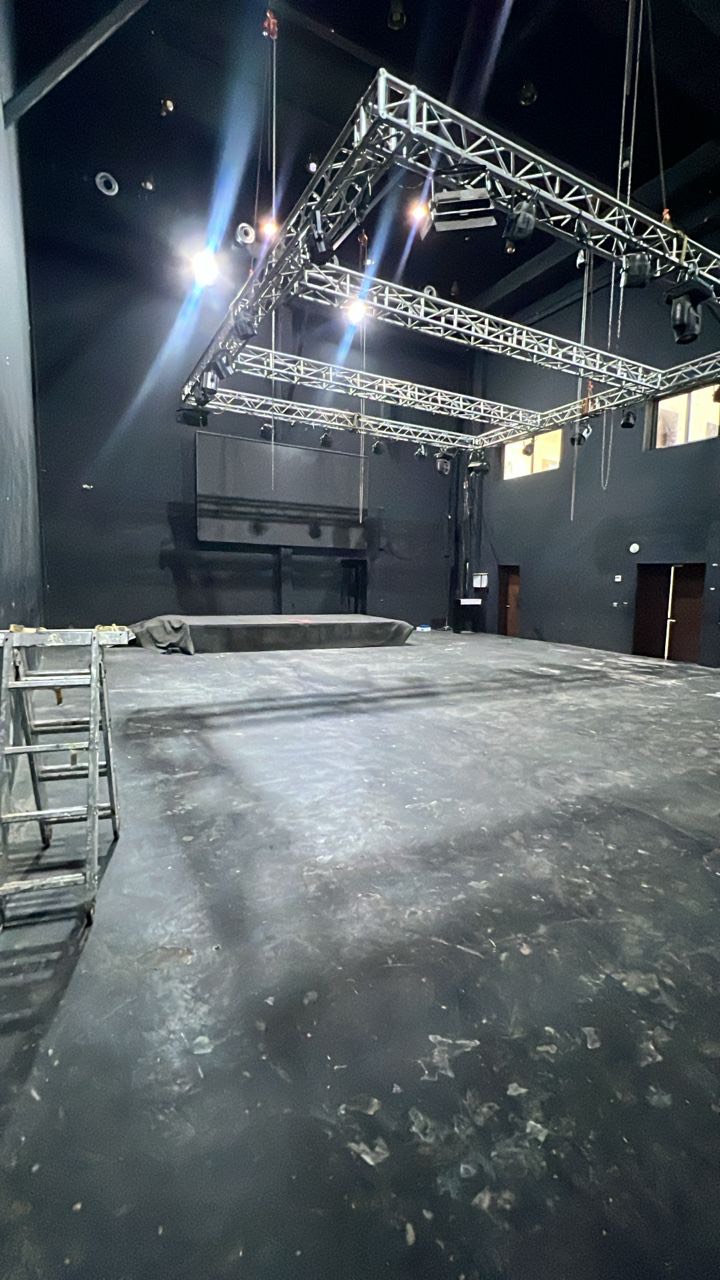
If the song needs a bigger room for performance capture, choreography tests, or visual content around the record, plan that separately from the vocal session. FreeMe Space's soundstage works better for full creative days where the song and visuals need to be shaped together, while the podcast studio can fit tighter interview, acoustic, and content-led sessions around a release.
3. Vocals are being treated like performance, not just sound
The global spread of African music has made listeners more open to language, accent, and vocal texture. Artists do not need to sand down every local marker. In fact, the texture is often the part that cuts through.
What matters is performance control. A strong vocal take is not only about pitch. It is about breath, attitude, timing, diction, and knowing which words should be swallowed, stretched, whispered, or pushed forward.
In many African records, the vocal sits between singing, chanting, talking, and percussion. That middle ground is powerful. It can also get messy if the artist has not decided what each section needs. A verse may need conversational delivery. The pre-hook may need melody. The hook may need group energy. The outro may need ad-libs that feel like a crowd responding.
One practical studio habit: record the lead vocal clean first, then record a second pass only for attitude. Do not try to fix everything in one take. After that, build ad-libs with intention. Too many ad-libs can make the record feel crowded. The right three can make it unforgettable.
4. Producers are designing for short-form attention without making disposable songs
Short-form video changed how songs are discovered, but it did not remove the need for good records. The mistake is making a song that only has eight useful seconds. That may create a moment, but it rarely builds a catalog.
African artists are getting better at designing songs with multiple entry points. A chant that works for a dance clip. A lyric that can carry a caption. A beat switch that keeps listeners from skipping. A hook that lands quickly but still feels good when the full song plays.
When planning a record, ask these questions:
- •What is the first ten-second moment people will remember?
- •What lyric could someone quote without explaining the whole song?
- •Is there a section that dancers, creators, or DJs can grab easily?
- •Does the full song still work after the clip moment passes?
The best records do both jobs. They give social platforms something immediate, but they also hold up in headphones, cars, clubs, and live sets.
5. Visual planning is now part of production
In 2026, a song is rarely just a song. It needs cover art, performance clips, lyric snippets, vertical video, behind-the-scenes material, and sometimes a live version. Artists who wait until after the master is finished often end up rushing the visual identity.
That is why many teams now discuss visuals before or during the recording process. Not in a vague way. They talk about color, wardrobe, movement, location, camera format, and how the artist should feel on screen.
If the record feels intimate, maybe the first visual asset should be a stripped-back live performance. If the record is percussive and high-energy, maybe choreography tests matter early. If the song is built around storytelling, maybe the artist needs interview clips explaining the idea behind it.
This is where facility choice matters. A controlled space helps artists capture clean performance content without fighting noise, weather, or random interruptions. For larger scenes, lighting setups, dance blocking, and release-day content batches, the soundstage gives the team room to build. For listening sessions, private playback, and smaller creator gatherings, the event lounge can support the rollout around the music.
6. Mix decisions are becoming more global, but not less African
A mix that works in Lagos traffic may not automatically translate to earbuds in London, club systems in Berlin, or car speakers in Atlanta. The opposite is also true: a mix that sounds polished on expensive monitors can feel weak where the audience actually listens.
Modern African music production has to account for both. The drums need weight. The vocal needs presence. The low end has to move without swallowing the song. Percussion should feel alive, not sharp in a painful way. Backing vocals should widen the record without burying the lead.
Artists should attend mix reviews with a few real-world listening checks:
- •Phone speaker at low volume.
- •Earbuds.
- •Car or small Bluetooth speaker.
- •Club-level playback if the song is meant for DJs.
- •Quiet room playback for lyric-heavy songs.
If the record has immersive or spatial ambitions, the Dolby Atmos suite can help teams think beyond a flat stereo field. Not every song needs that treatment, but for projects aiming at film, premium listening, live-show extensions, or high-end brand use, spatial planning can change how the audience experiences the record.
7. Collaboration is becoming more intentional
Cross-border collaboration used to mean sending files around and hoping everyone understood the assignment. Now the better teams are more deliberate. They define roles clearly: who owns the topline, who owns the beat, who is arranging, who is producing vocals, who is handling the mix brief, and who has final creative approval.
This matters because African records often carry many influences at once. A song can pull from street percussion, church harmony, dance music, highlife guitar, hip-hop phrasing, and R&B vocal stacks. Without direction, collaboration can turn into clutter.
A good collaboration brief should answer:
- •What should the featured artist add that is not already there?
- •Which elements must stay local and untouched?
- •Where is there room for outside influence?
- •What is the emotional center of the song?
- •Who is making the final call if two versions are strong?
Clear briefs protect the record. They also protect relationships, because fewer people leave the process feeling unheard.
8. Language is being treated as an asset
One of the strongest shifts in global listening is that audiences are more comfortable enjoying songs they do not fully understand. That has opened space for African artists to use local languages, slang, pidgin, dialect, and code-switching without apologizing for it.
The practical question is balance. If every line is too local for the target audience, the song may need a melodic or emotional anchor that travels. If every line is too polished for export, the song may lose its roots.
A useful approach is to choose which parts carry meaning and which parts carry feeling. The hook might be simple and repeatable. The verses can hold richer local detail. The ad-libs can carry personality. The bridge can open the song emotionally even for listeners who miss some of the words.
Do not translate everything. Explain less. Make the feeling clear.
9. Release content is being produced in batches
The strongest teams are not leaving content until release week. They capture assets while the energy around the song is fresh. That can include studio photos, vertical performance clips, producer breakdowns, lyric explainers, acoustic versions, creator prompts, and behind-the-scenes moments.
Batching is not about flooding the internet. It is about having enough material to test different angles. One audience may connect with the hook. Another may connect with the story. Another may care about the beat. Another may only notice after seeing the artist perform the song live.
A practical batch plan for one single could include:
- •One clean performance clip.
- •Two short lyric-led videos.
- •One behind-the-scenes recording moment.
- •One talking-head clip about the song's meaning.
- •One dance or movement prompt, if it fits.
- •One stripped-back version for fans who care about vocals.
If you are booking a room, ask what else can be captured while the team is already together. A recording day can produce more than audio if the plan is sharp.
10. The artist's world matters as much as the song
African artists breaking through globally are not only exporting sound. They are exporting taste: clothes, language, humor, movement, faith, street codes, family references, city energy, and visual identity. The song opens the door. The world around the artist gives people a reason to stay.
That does not mean inventing a fake persona. Audiences can smell that quickly. It means making the artist's real world legible. What city shaped the record? What kind of night does it belong to? What emotion sits under the hook? What images should people see when they hear it?
Before release, write a one-page world brief for the song. Include the mood, colors, references, visual rules, words to use, words to avoid, and the kind of content that would make the song feel cheaper. This helps everyone on the team make better decisions, from the photographer to the editor to the person writing captions.
A practical production plan for your next record
If you are planning a new single, try this simple order:
1. Define the song's job. Is it for clubs, fans, radio, sync, live shows, or brand positioning?
2. Build the rhythm direction before writing too much.
3. Record a rough vocal early, even if the lyrics are unfinished.
4. Decide what language, slang, or local detail must stay.
5. Plan the first visual assets before the final mix.
6. Capture content while the session energy is still alive.
7. Test the mix in real listening environments.
8. Keep the release story clear enough for your team to repeat.
None of this removes instinct. Music still needs taste, timing, and luck. But it gives the instinct a better room to work in.
Final word
African music production is changing global music because African artists are no longer just exporting finished songs. They are exporting workflows, rhythms, visual language, vocal habits, and release strategies. The artists who win the next phase will not be the ones who copy global pop most cleanly. They will be the ones who understand what makes their sound specific, then build the right system around it.
If you are planning a single, video, listening session, podcast appearance, or release-content day in Lagos, FreeMe Space can help you choose the right room for the job. Book a session, contact us for current rates, or schedule a tour of the soundstage, Dolby Atmos suite, podcast studio, and event spaces.